
Heat pump installation
 HQ
HQ
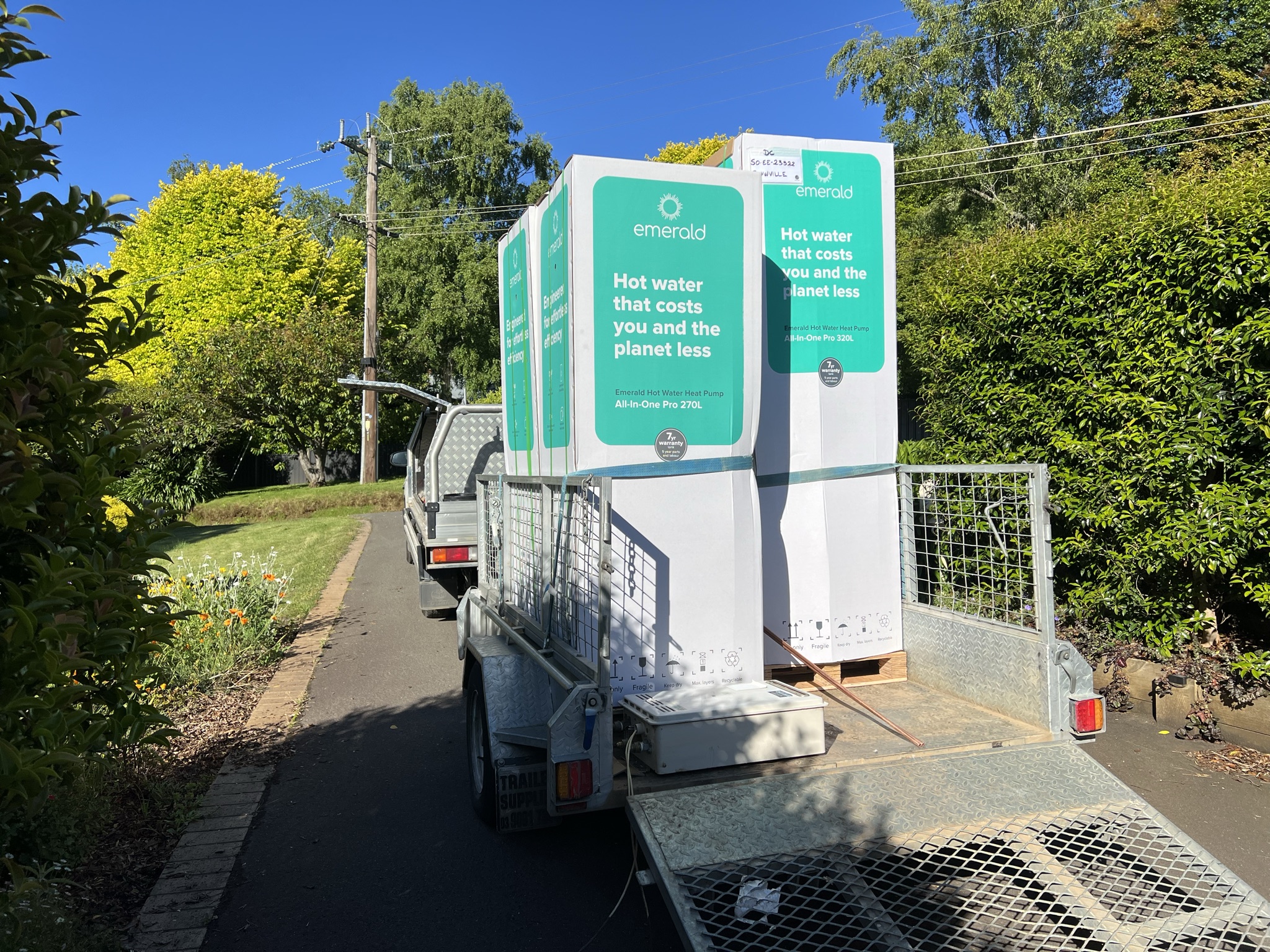
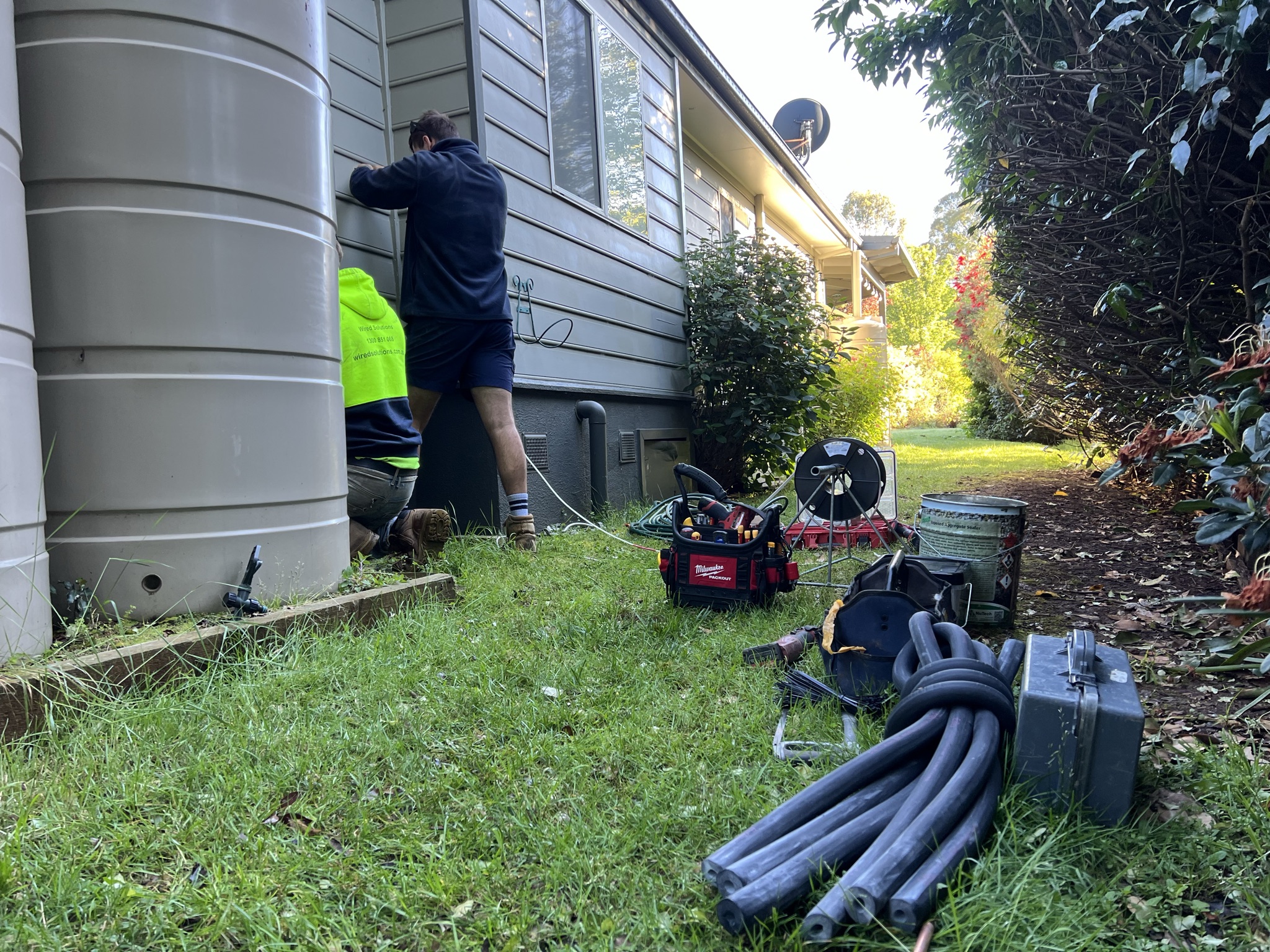
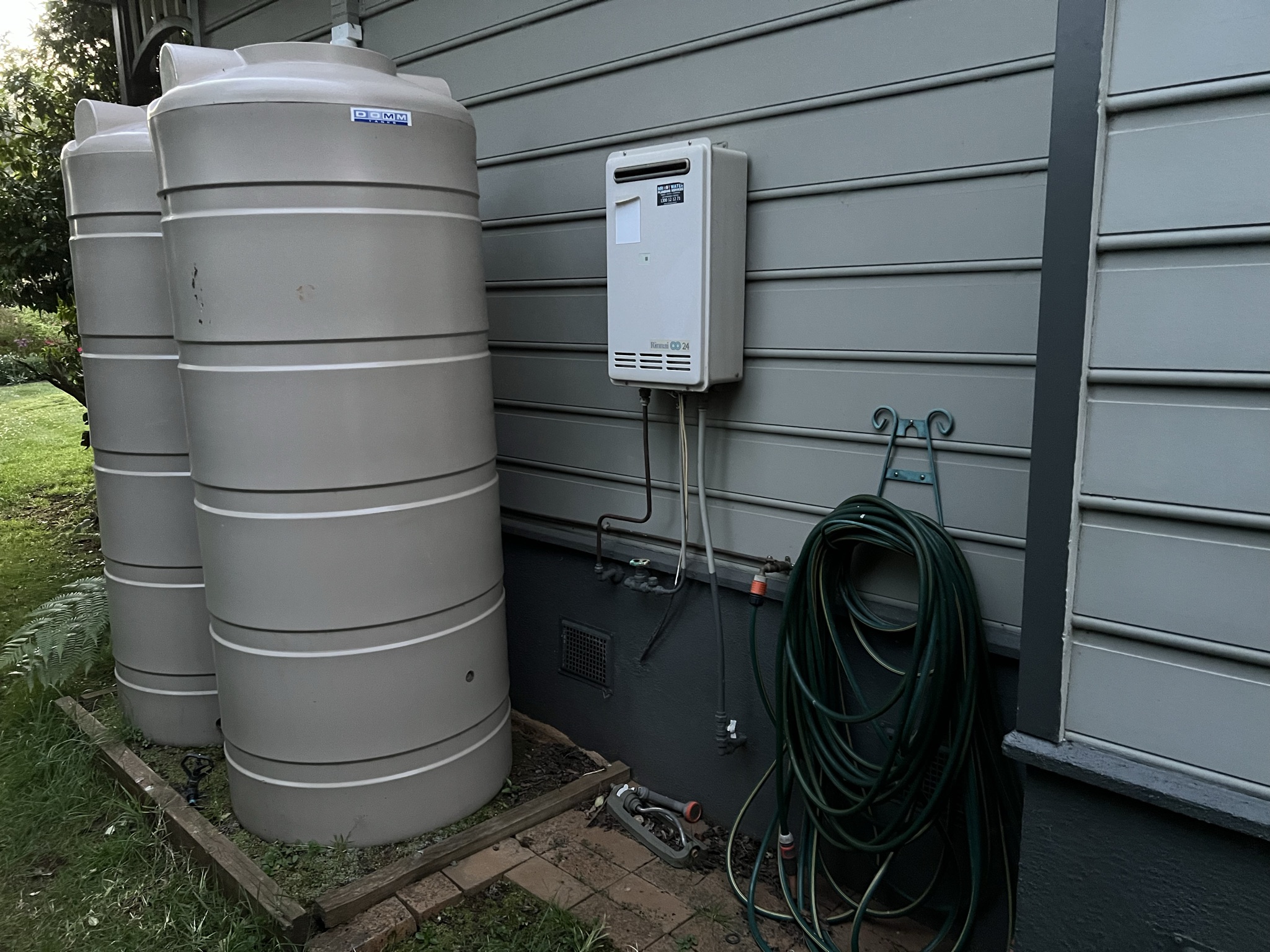

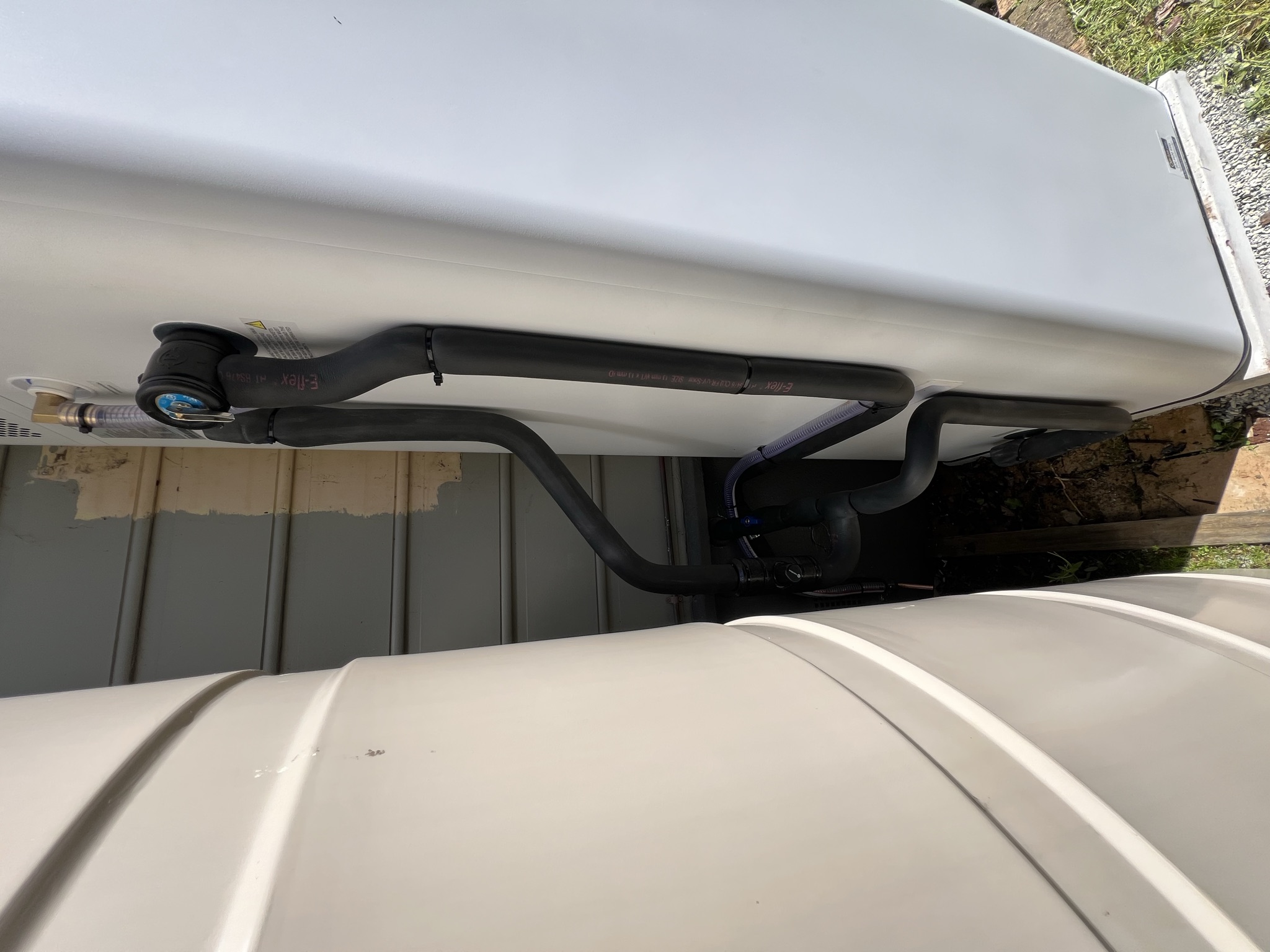
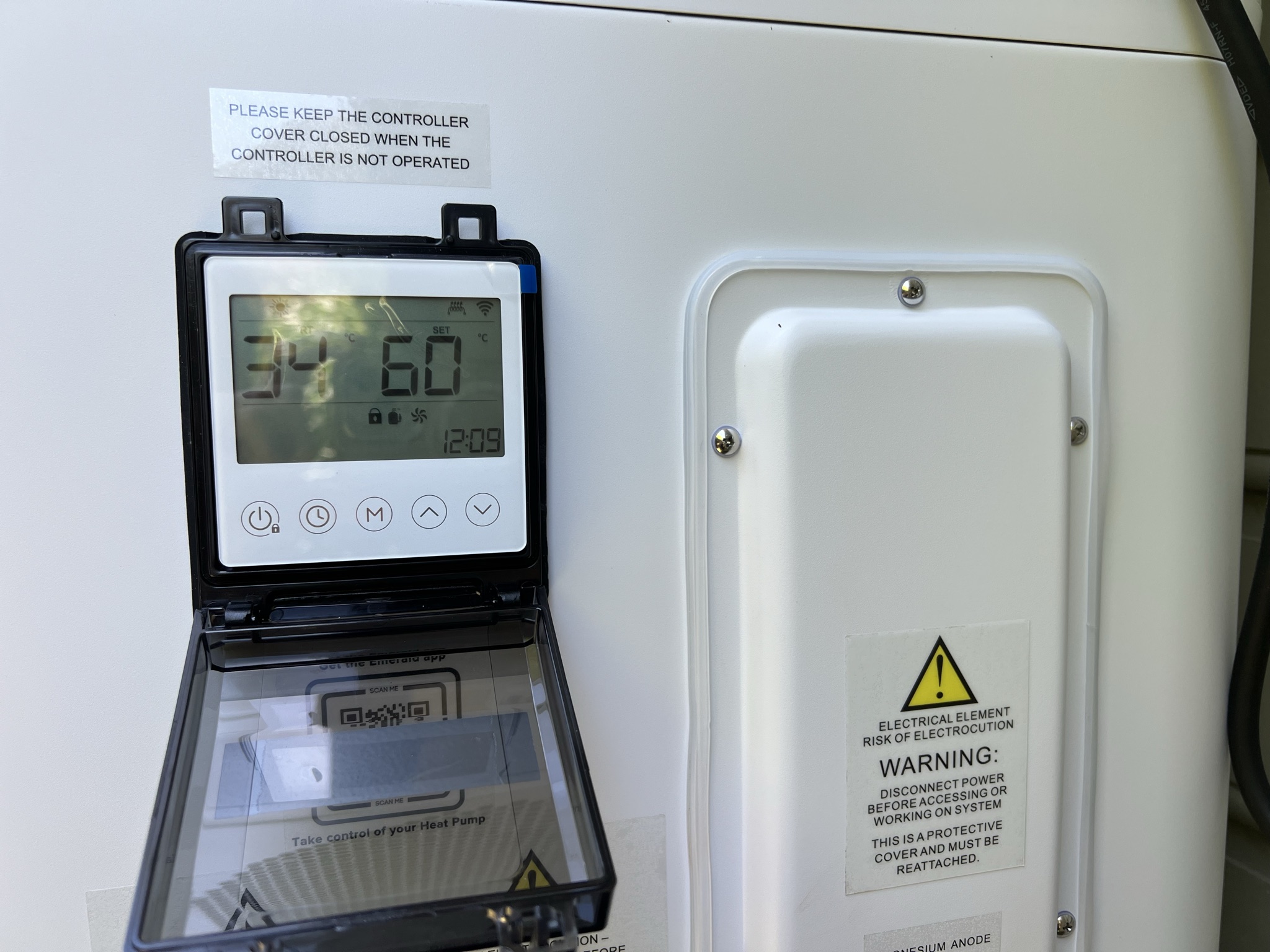

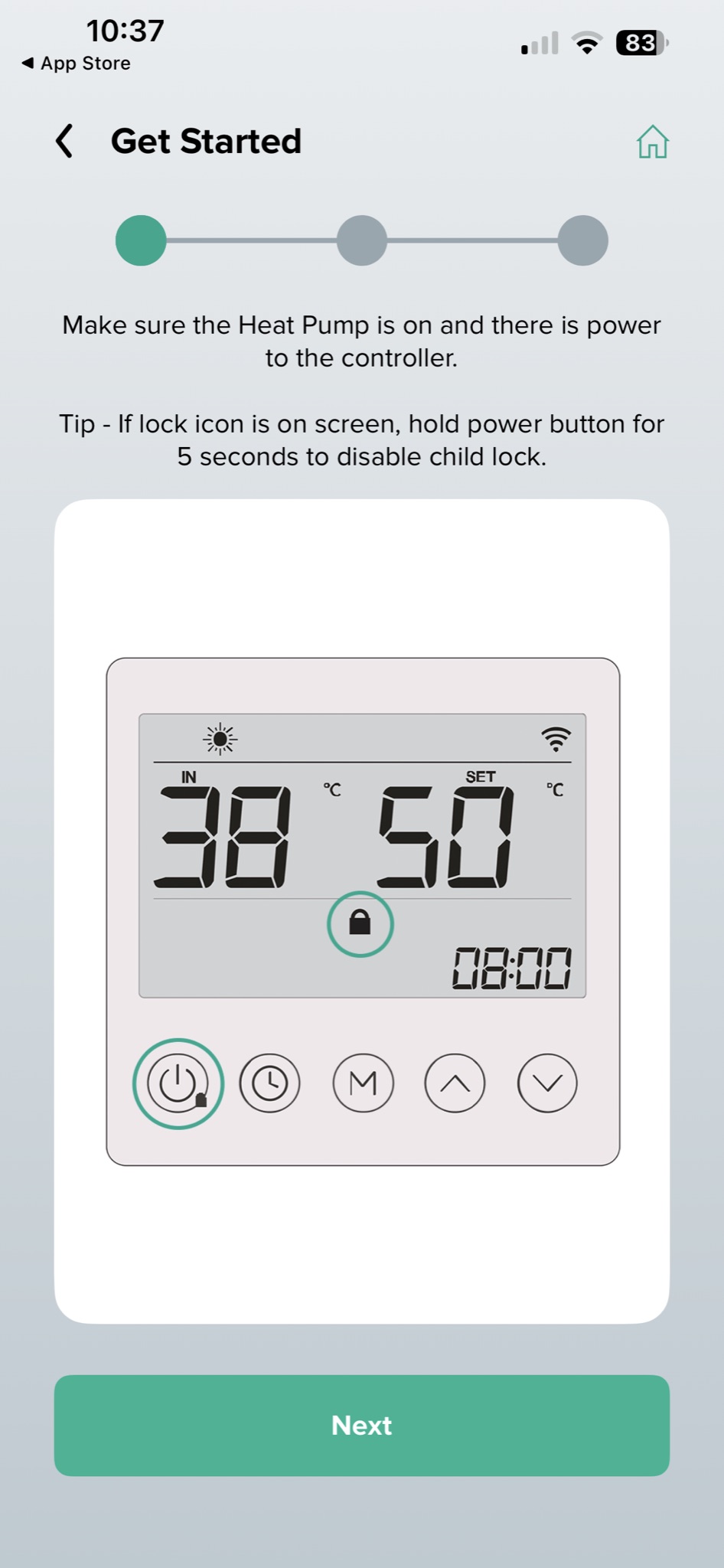
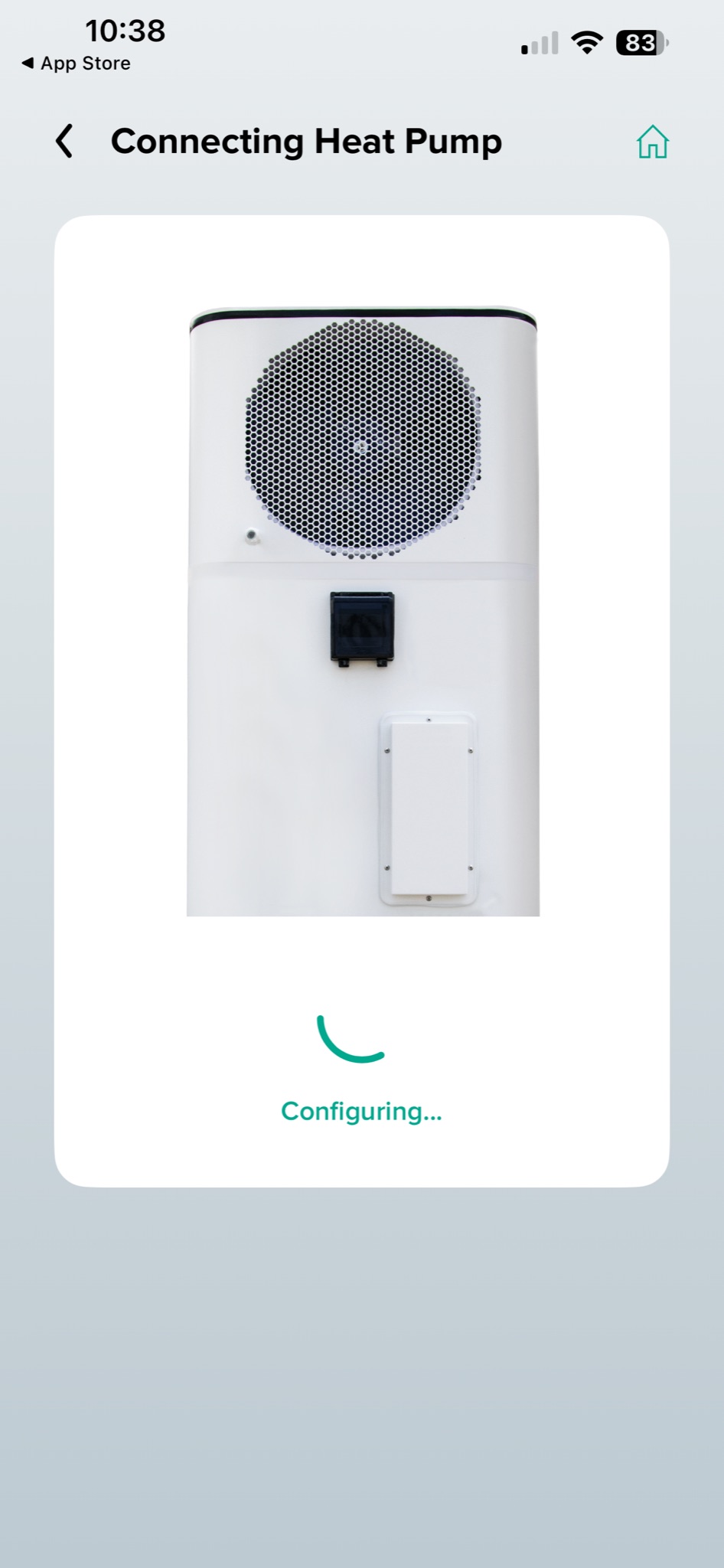

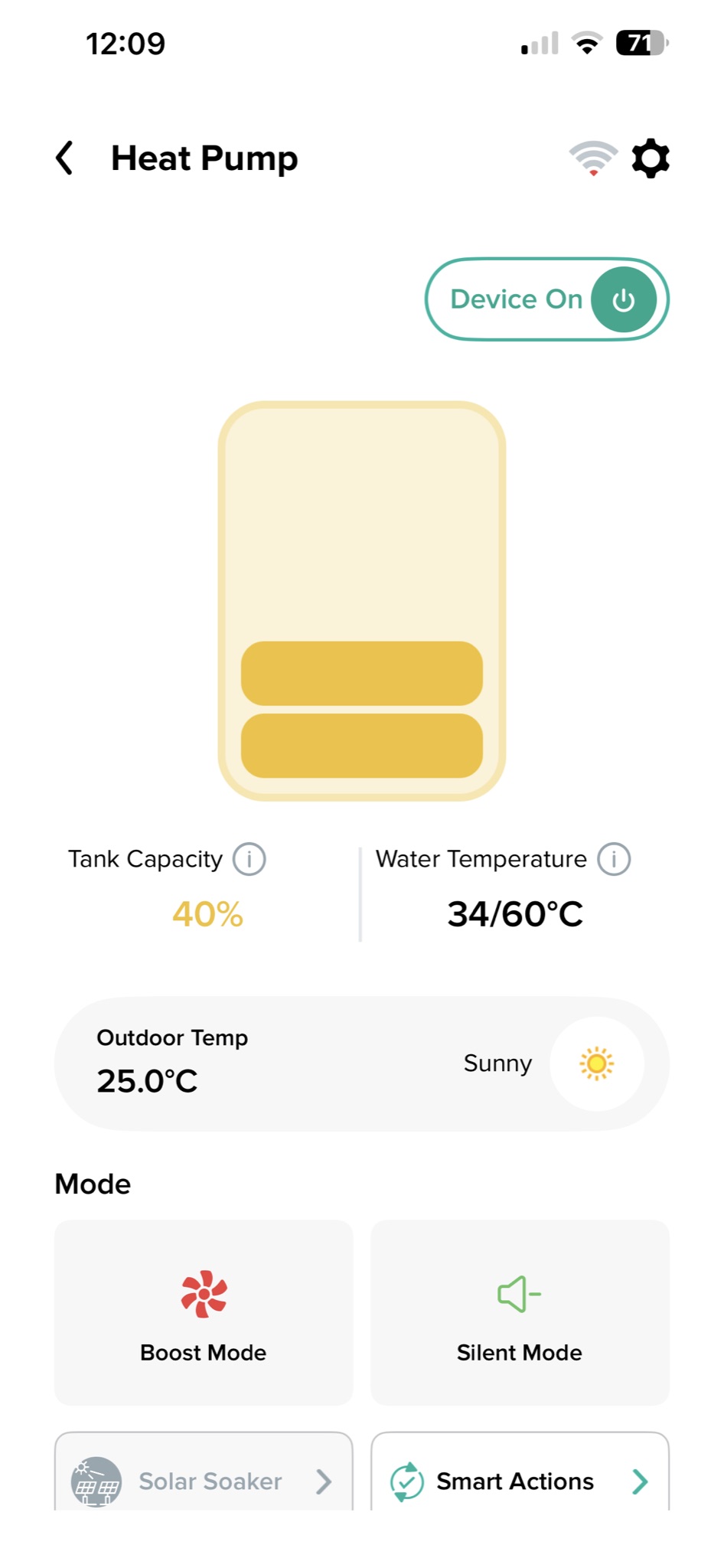
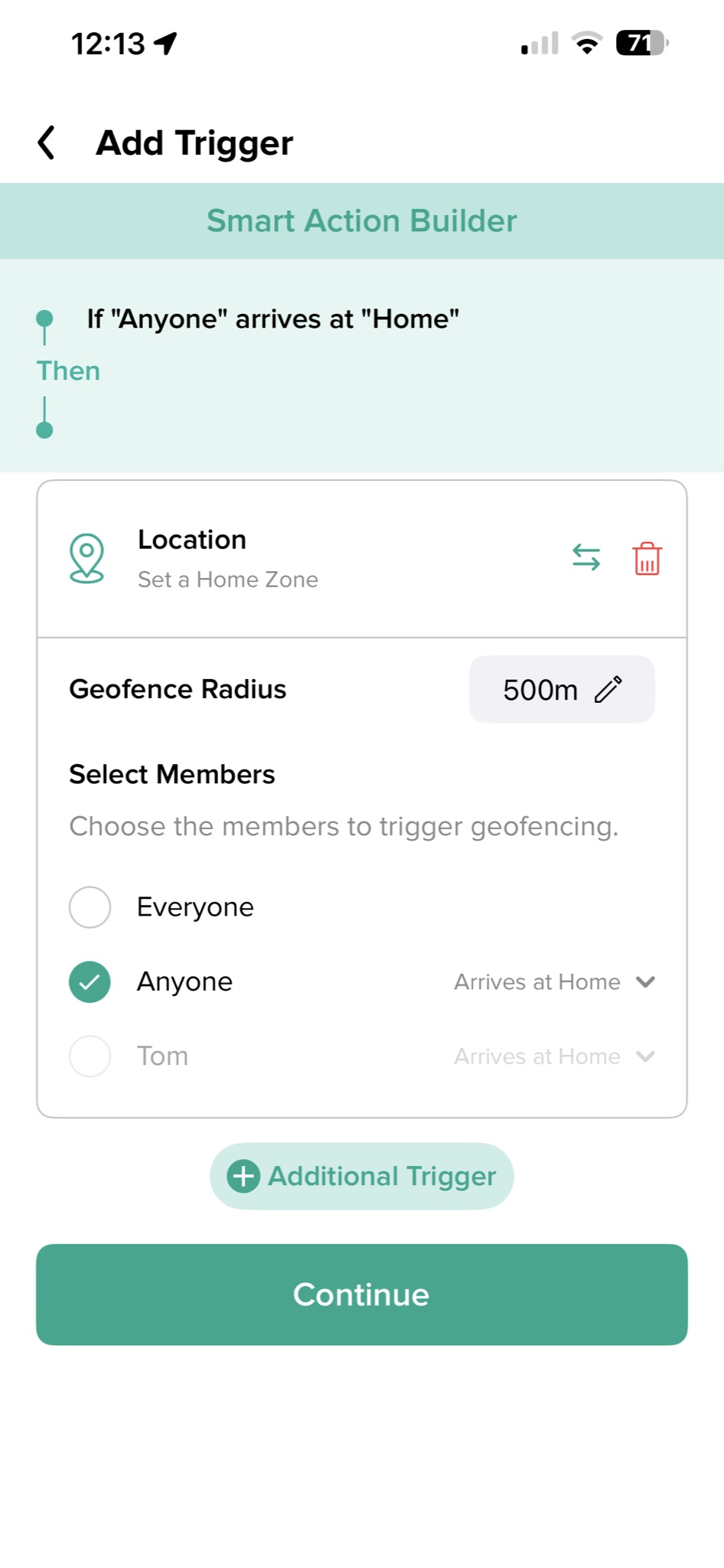
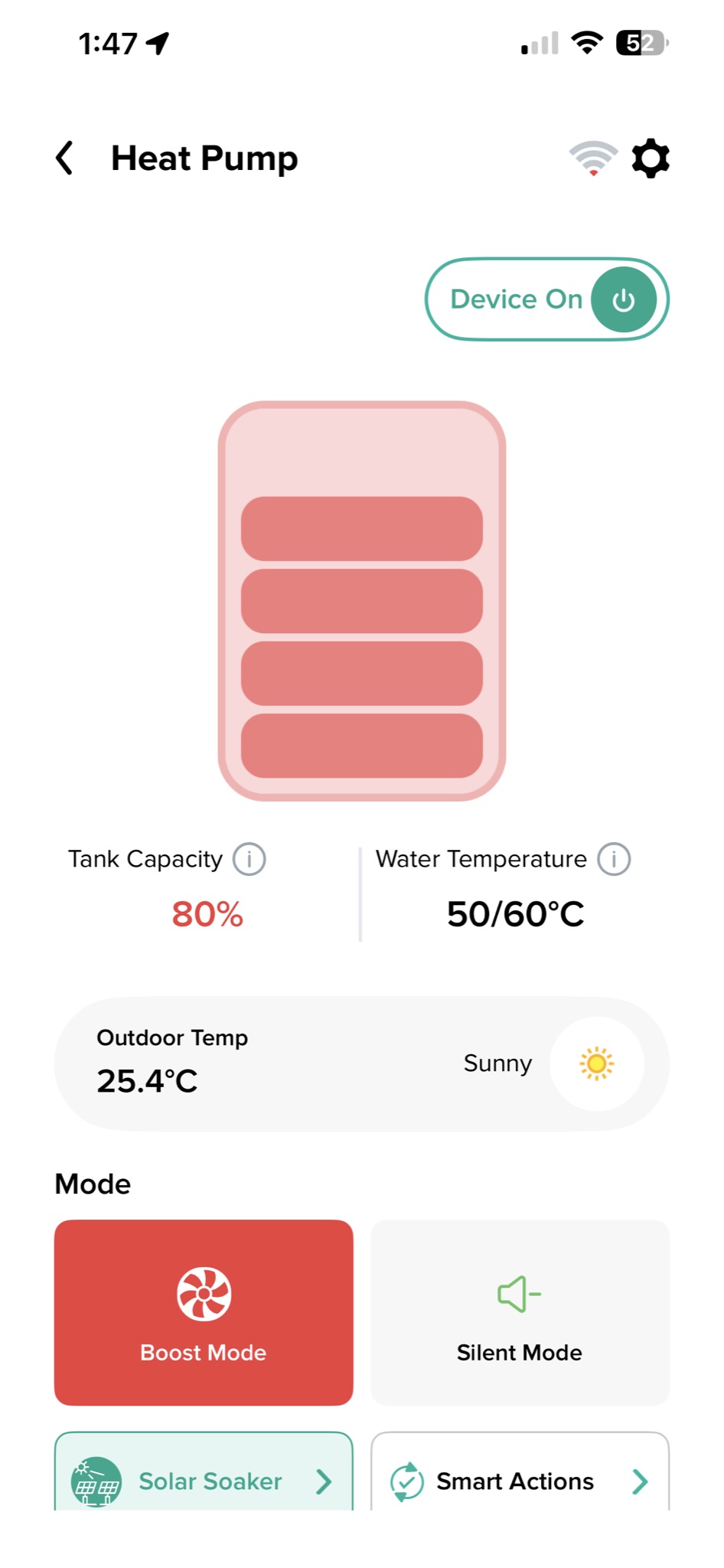
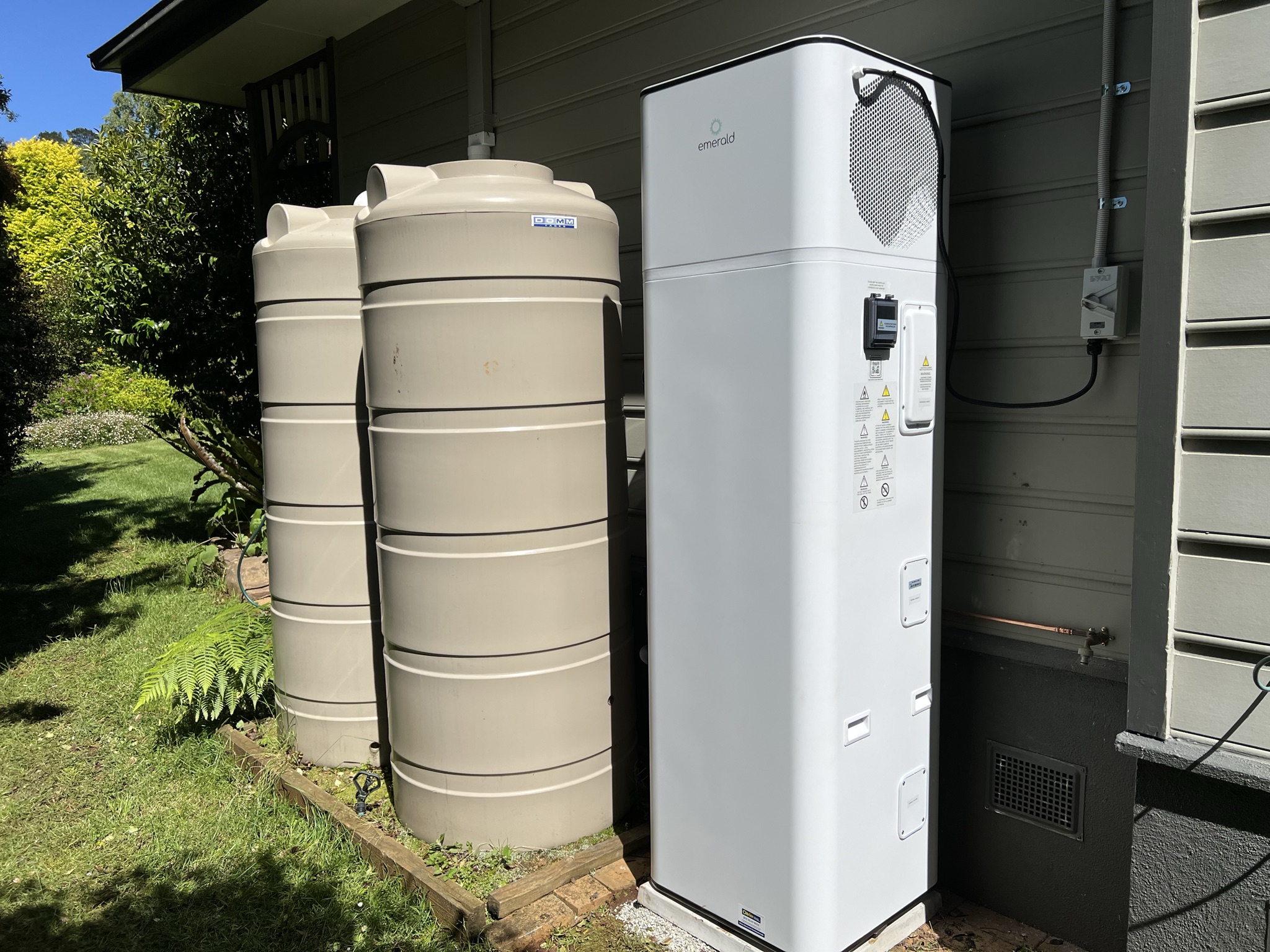
We finally got around to installing a hot water heat pump, to replace our gas hot water system.
We were paying about $40 per month for our instant gas hot water (plus $40 connection fee). Now we’re paying nothing, because the heat pump is just using our excess solar power. Without solar, I estimate it would be costing us $8 per month to power it from the electricity grid.
There are a few incentive schemes around to replace gas (or other old inefficient systems) with a heat pump. An installer will factor these into their quote. The subsidies can be significant. In our case, the total price was $4480, but it was reduced to $1650 for us to pay, after subsidies were subtracted.
A hot water heat pump uses the same principle as an air conditioner (which is also a heat pump). It “pumps” heat from one side to the other. In this case, it pumps heat from the outside air into the tank of water. The basic physics is that when you compress air in a confined space, it gets hot, and when you expand it, it cools down. Using one unit of electrical energy to compress, results in four units of heat energy. So, it’s very energy efficient and very cheap to run. The basic economics is that, as far as I know, a heat pump (air conditioning or hot water), is the cheapest way to heat (or cool). It’s at least a quarter of the price compared to running a traditional hot water tank with a heating element, or a gas hot water system.
Our previous system was instant gas hot water. It’s basically a gas burner that heats the pipes through which the water travels when we turned on the hot water. The initial spark for the burner was provided electrically. When the installer replaced that system, they had to certify that they destroyed the gas burner, by drilling a hole through it. There’s no point removing the gas if it could just be used again elsewhere.
I found the choices of heat pumps and installers quite overwhelming. That’s part of the reason why it took me a year to knuckle through and pick one. I looked at reviews on the MEEH (My Efficient Electric Home) Facebook group and asked a few questions there. I watched a few videos from installers and companies. I created a spreadsheet to compare features, cost and warranty.
I chose an Emerald heat pump, mainly because:
1. They have an integrated app that shows how hot the water is, and lets me remote adjust settings.
2. Many brands have a max tank size of about 280L, but I wanted a 320L tank, to match the number of bedrooms, even though we mostly only have two of us at home.
3. I chose the model that has a “boost” element, so I can tell it to boil the water quickly on the rare occasion when the hot water is low, with showers waiting to be had.
4. Good price.
5. Australian company, who actually answered an enquiry (eventually).
All these factors were probably to avoid the “trauma” I suffered in our previous house, where I was continually asked “Dad/Tom, is there enough hot water for me to have a shower?”. My typical answer was “I have no way of knowing, except that two of you each just had a 15 minute shower, so I am guessing not!”. Now I have data and a “my family abuse the hot water” button.
I chose O'Brien Electrical & Plumbing Rowville because they had good reviews. They have a good on-line quote system, unlike many others that required a phone call (what is the point of a website?). They gave quick and thorough answers to my email queries. Once we got into the installation phase, it seemed to shift over to a different part of the company that wasn’t across the emails, and preferred to call. It was a bit of a disconnected experience.
The actual installation was great. An electrician (Adrian) and plumber came to our house, answered my questions, installed neatly. Very professional. They had to run a new circuit for the heat pump boosting element, up through our roof cavity to the circuit board on the other side of the house. They even moved my garden tap to accommodate the tank. It all worked great.
A pleasant surprise is that the hot water actually flows a bit sooner now, which we especially welcome in parts of the house that are a long pipe length from the heating. The preheated hot water can start flowing as soon as the hot water tap is turned on, whereas the "instant" gas ironically had to boil some water first.
The only post install problem I have had is that the pump doesn’t seem to turn off when I tell it to, from the app button or schedule. I want to turn it off when we’re sleeping, since the pump is right behind the bedroom wall. Fortunately, I can set it to silent mode, which is much quieter. I will chase up a fix for the pump switching. The pump makes about the same amount of noise as did the gas burner, but that only occurred while the hot water was being used.
Read about our experience with solar, battery and other electrification, in our Tesla Tripping blog, starting with:
https://www.facebook.com/share/p/188ddwfbVt/