
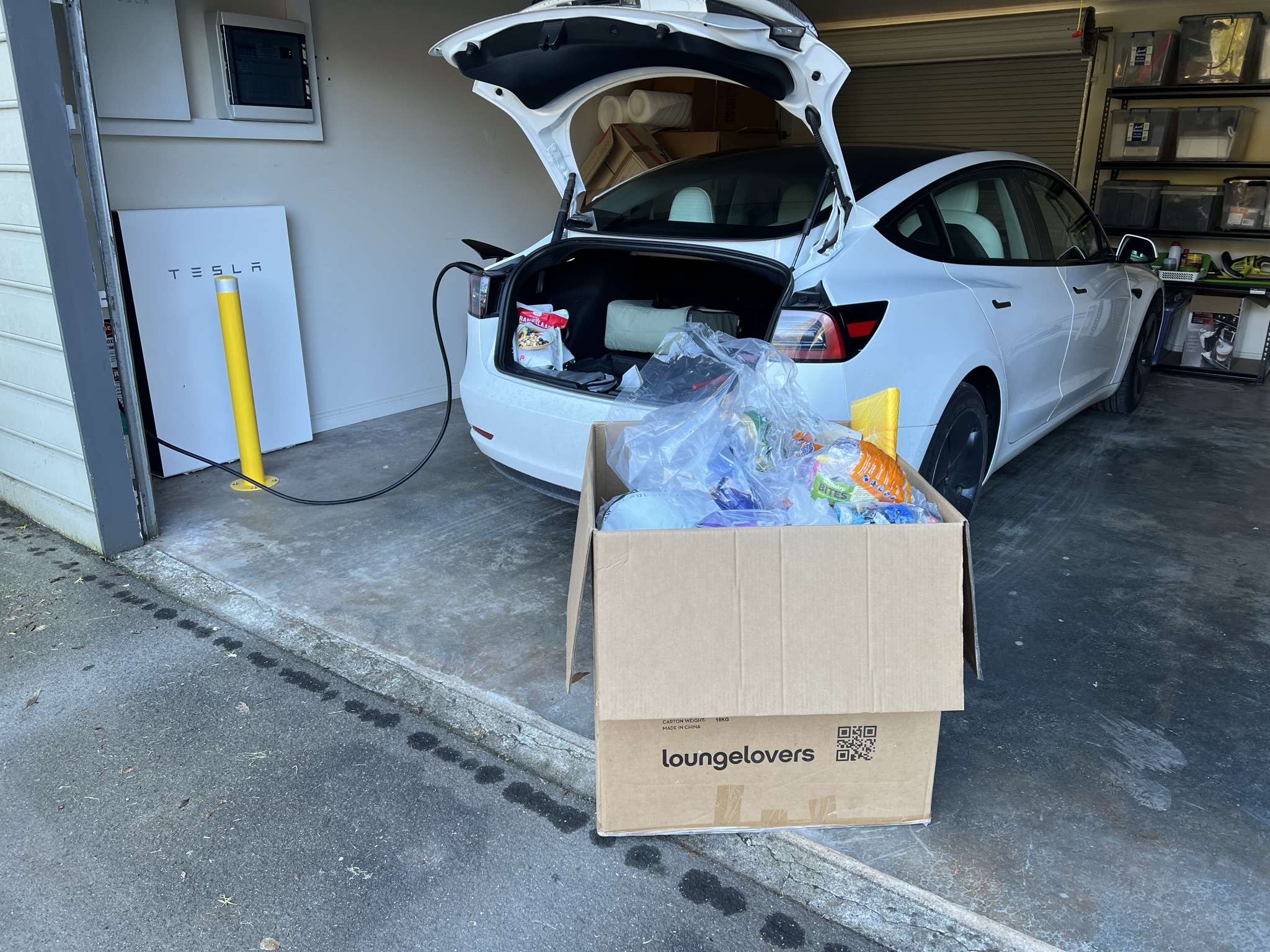
A trip from our home in the Dandenong Ranges down to Jan Wilson Community Centre in Noble…
 HQ
HQ
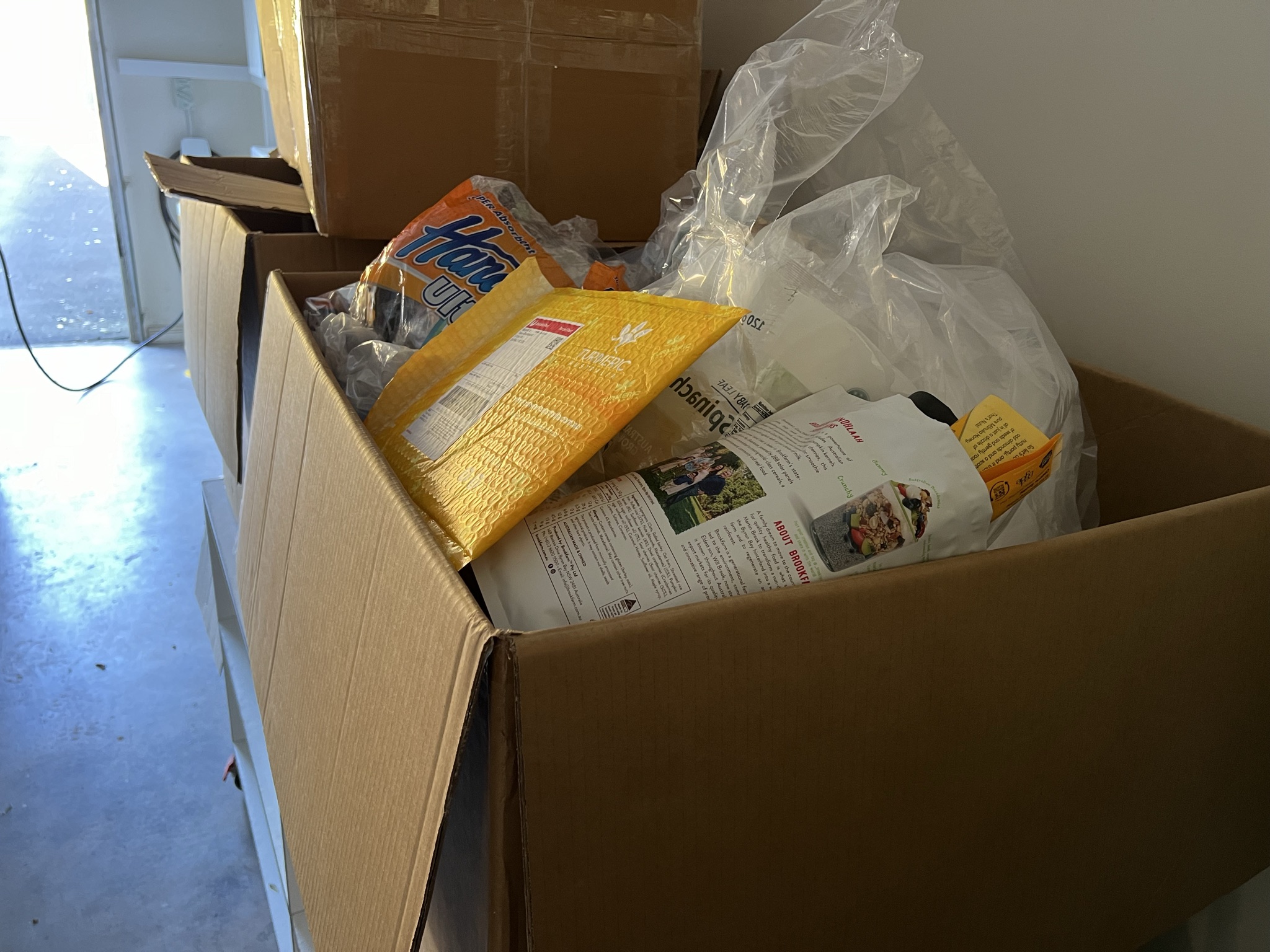
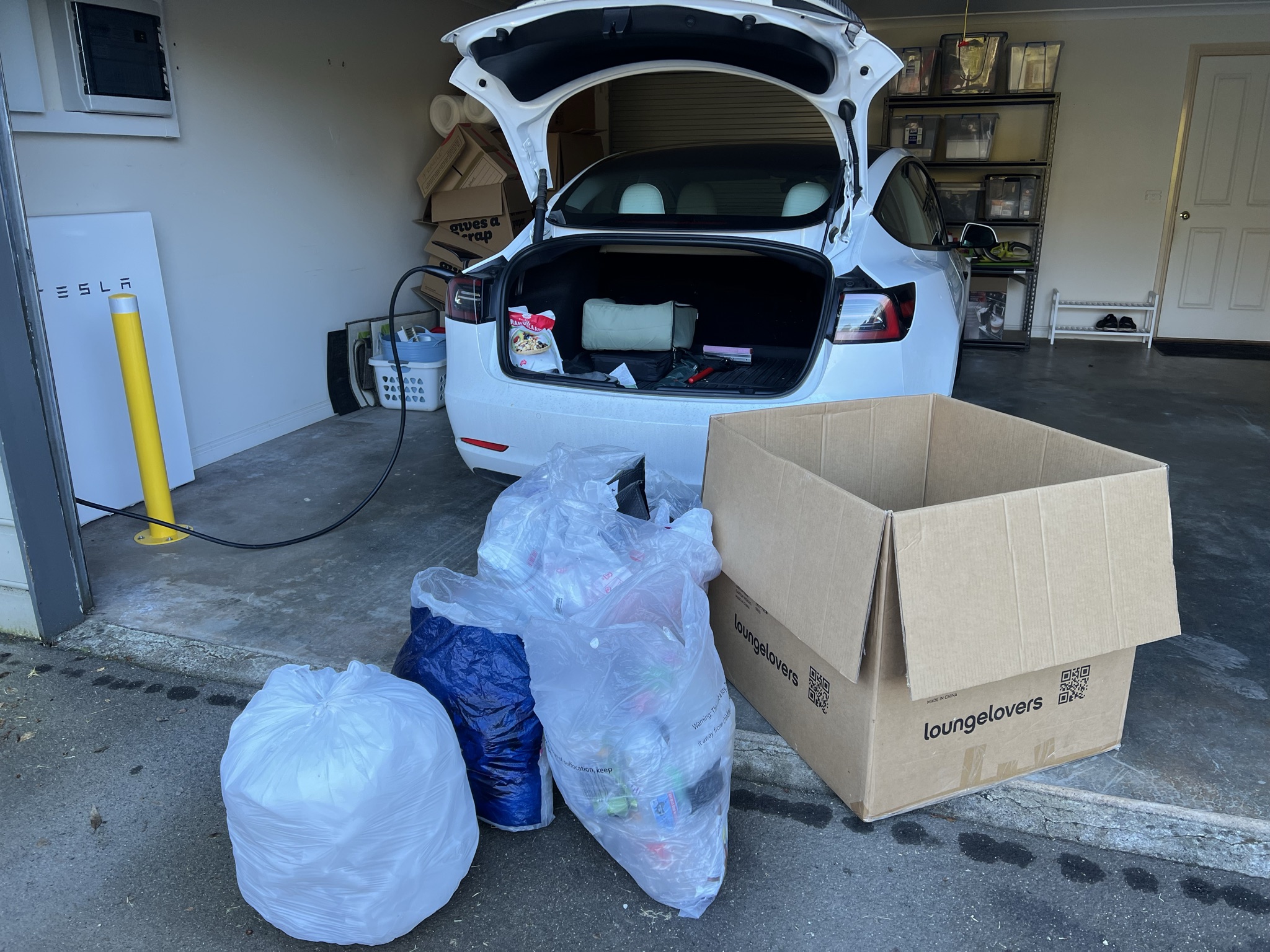
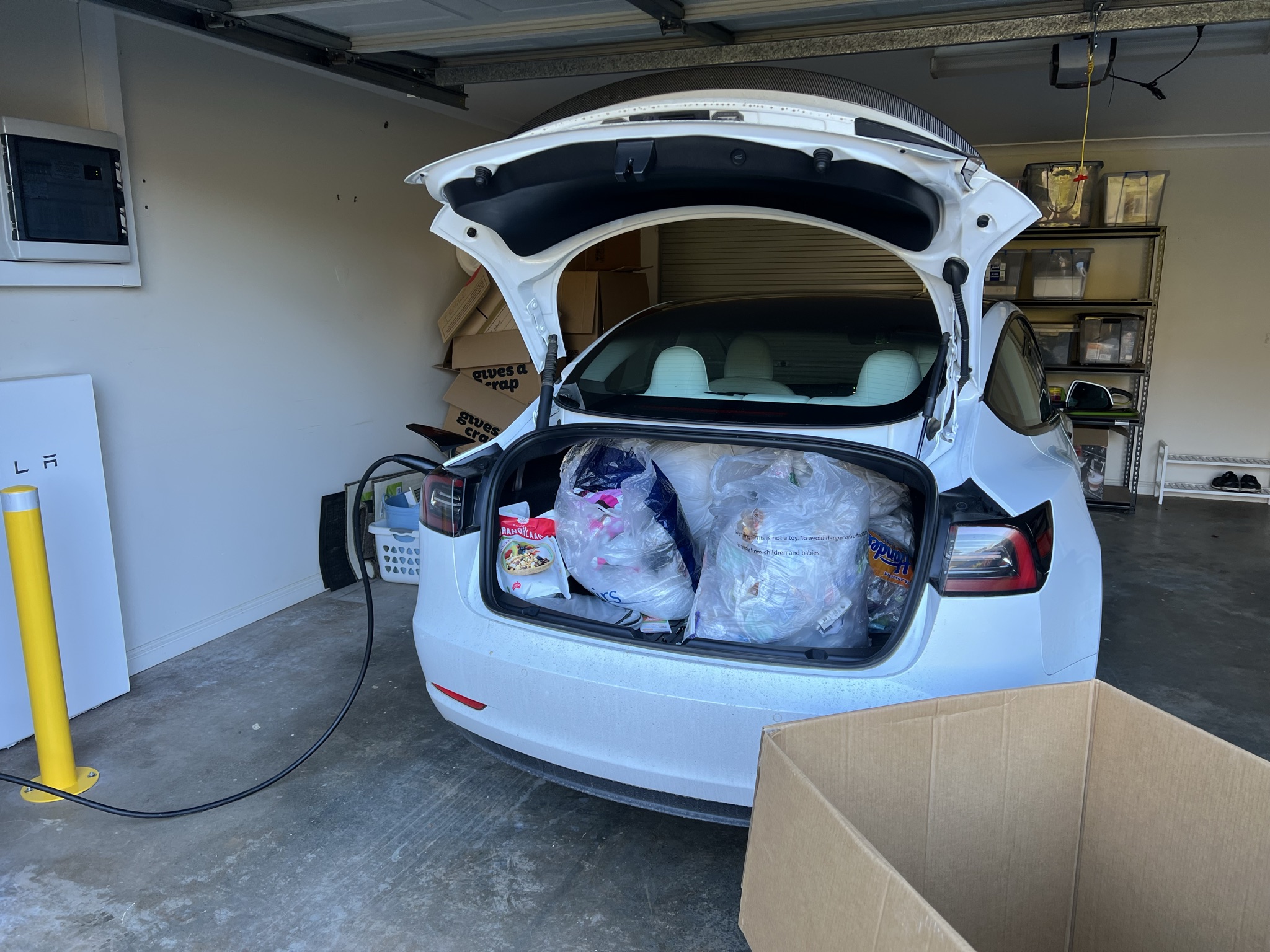
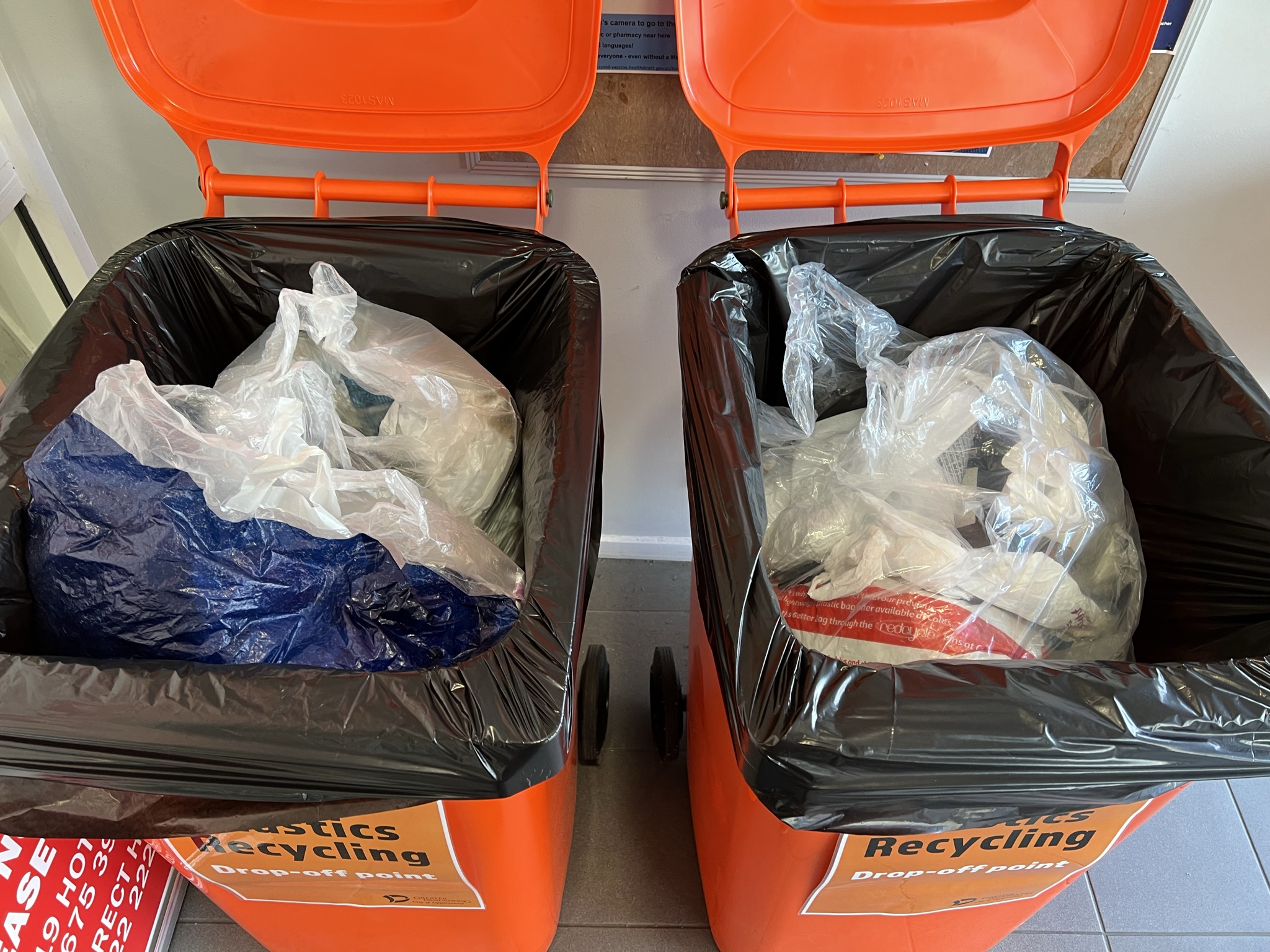
…Park. Why this random destination? Because they accept soft plastics for recycling, and we have a huge pile of it.
We’ve been storing our soft plastics for over six months. On road trips, we would try to bring any soft plastics back in our car’s frunk. It’s not going to change the world, but I couldn’t bear adding to the problem.
Supermarkets like Coles and Woolworths used to accept soft plastics for recycling through Red Cycle. But a couple of years ago, that system collapsed, with a backlog of plastic with nowhere for it to go. We’ve seen some follow-up on The Chasers War on Waste, but no resolution yet that we’ve seen.
Fortunately there are several locations around that do take soft plastics for recycling. A quick Google search found a few around us in the eastern edge of Melbourne:
https://www.greaterdandenong.vic.gov.au/soft-plastics
We were heading to Noble Park anyway for an appointment, so we packed our huge pile of soft plastics, nearly filling our boot.
Rant:
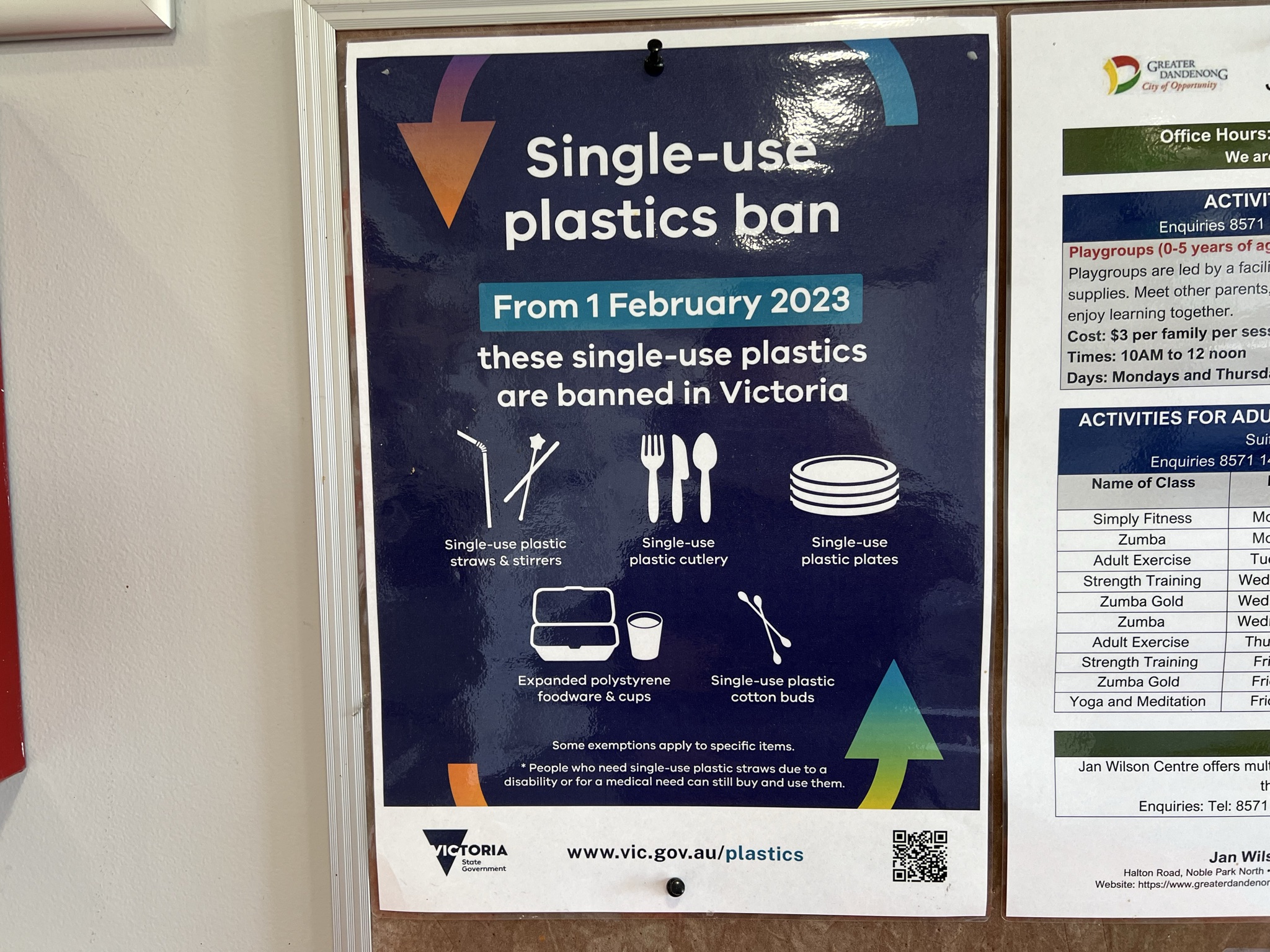
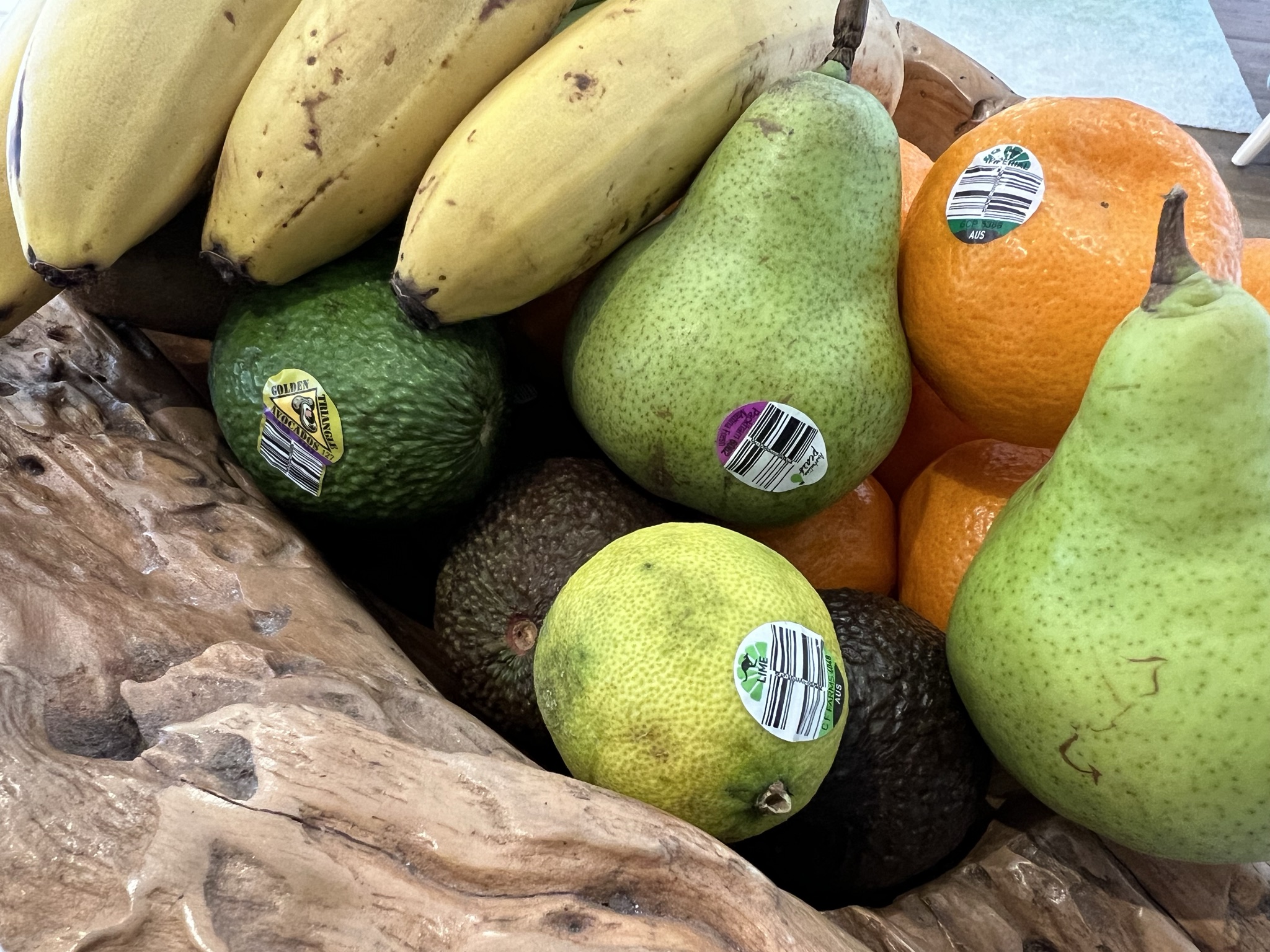
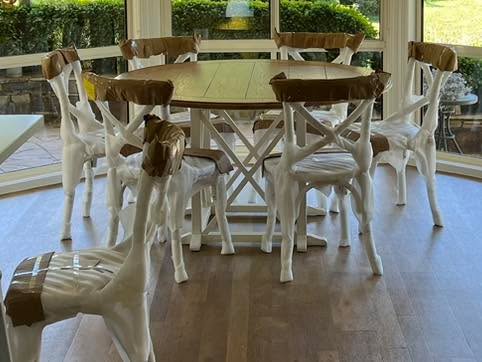
So much plastic waste. So many things we buy now are wrapped in single use soft plastic, whether we want it or not. From large items like the wrapping on our dining chairs, down to the bloody ridiculous stickers on fruit and vegetables that infest compost (if we neglect to remove it).
Supermarkets are probably the worst offenders, wrapping most food in non biodegradable plastic. They ban customers from using single use plastic carry bags (which is a good thing), but hypocritically wrap most of the products on the shelves in plastic.
Oil based soft plastic takes hundreds of years to break down, and has found its way into most organisms on earth, as “microplastics” including human bloodstreams and umbilical cords.
I think that any company that wraps products in oil based plastics should be required to retrieve and recycle them, in order to keep it out of our environment (and our blood). I am fairly certain that in such a case, where the choice to use soft plastics suddenly carried the associated cost impact, the supermarkets (and suppliers) would solve the problem overnight, replacing long life polluting plastics with bio plastics (derived from vegetation and biodegradable) or paper, or just remove unnecessary packaging.
It shouldn’t be up to consumers to retroactively mitigate the damaging choices of supermarket suppliers.