
Tesla battery and wall charger installation.
 FB
FB
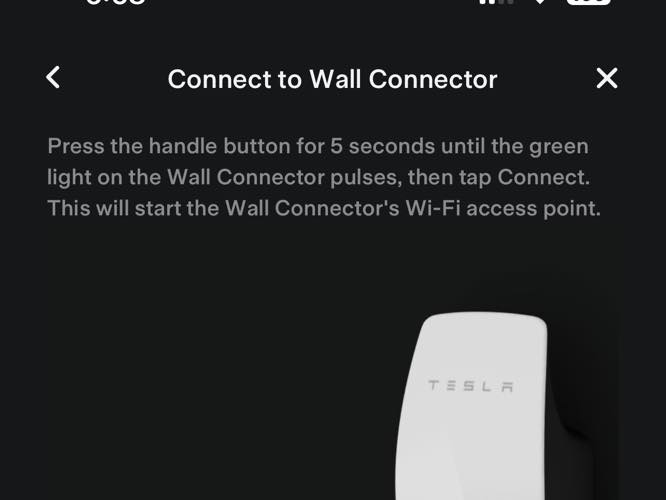
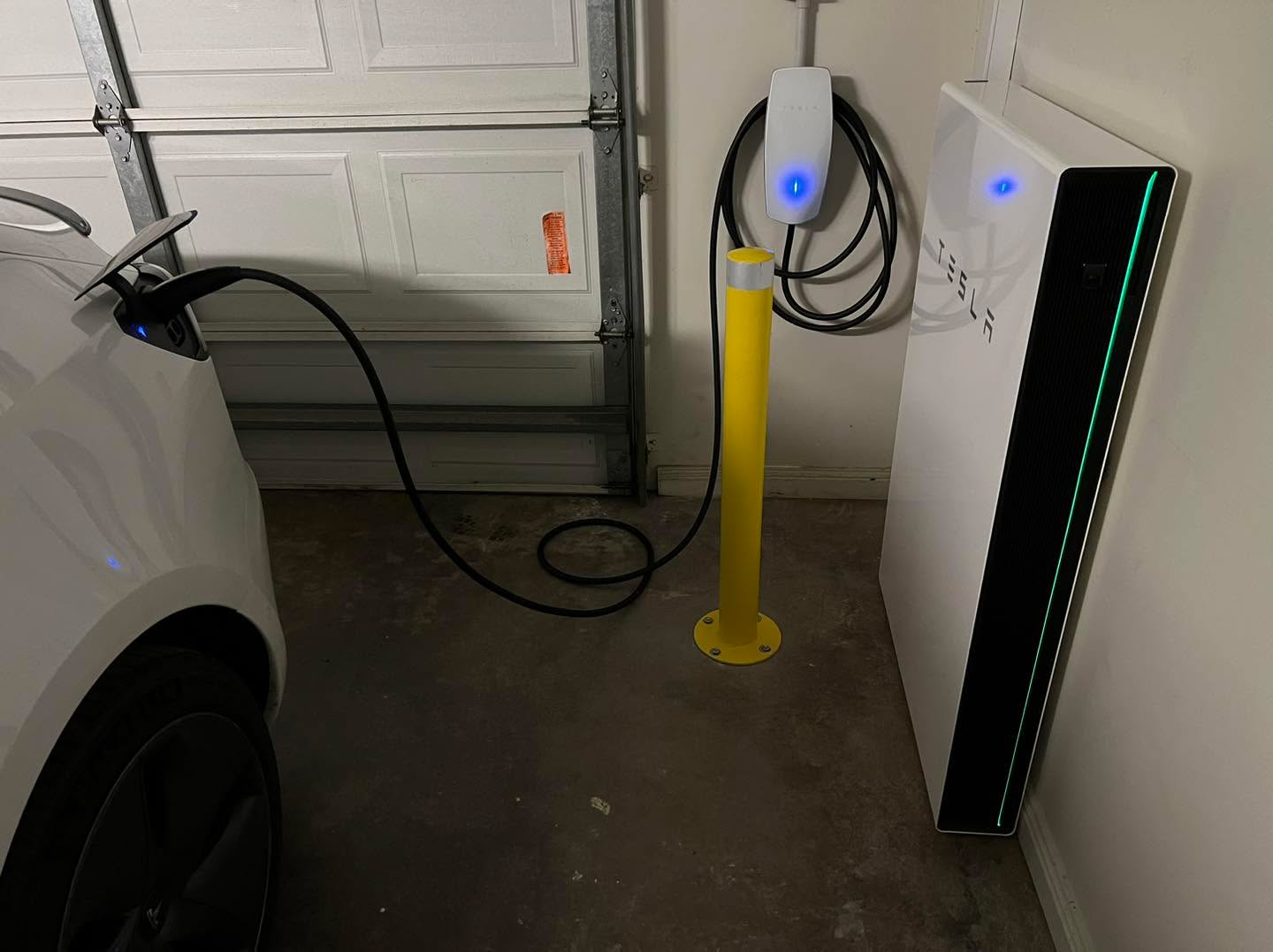

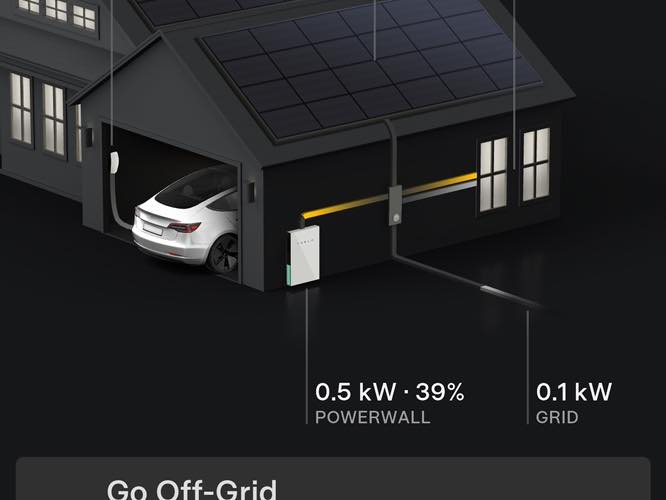
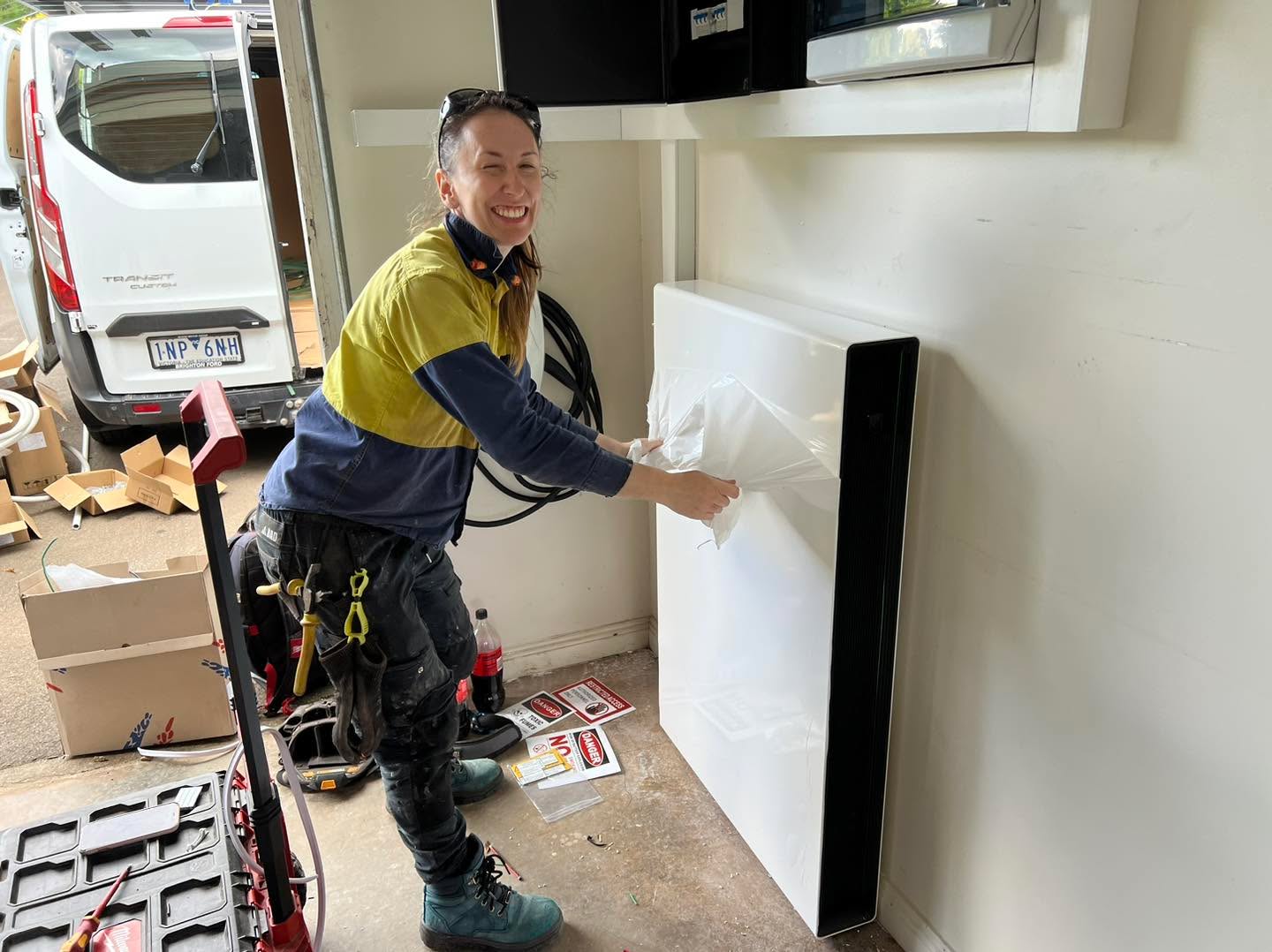
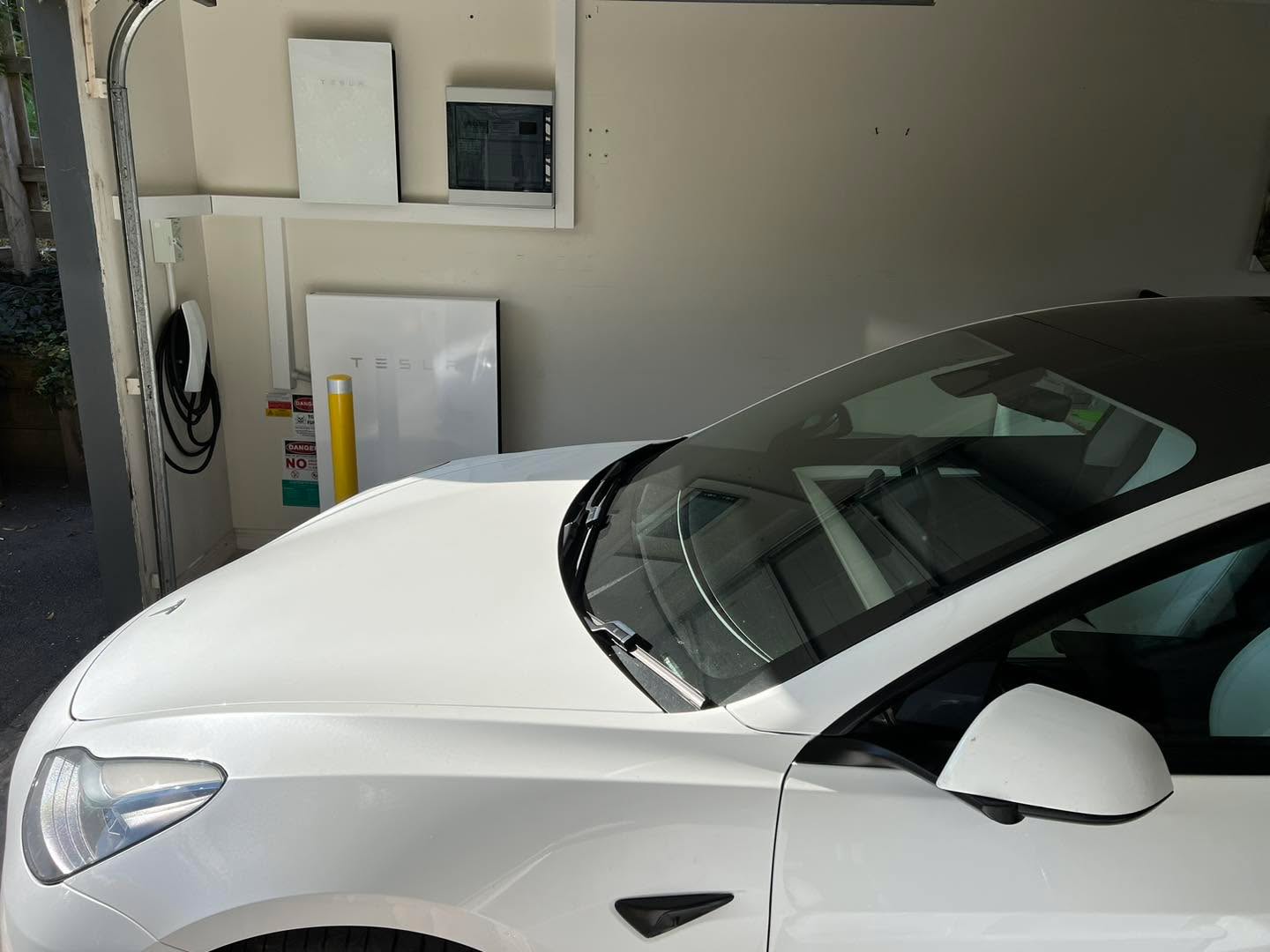
The team from Lightning Energy installed the undercover pieces today, while it’s raining, and deferring to tomorrow the installation on the roof of the solar panels, if the sun comes out. We had originally scheduled this installation for December 11 and 12, but rain on December 11 saw it canceled.
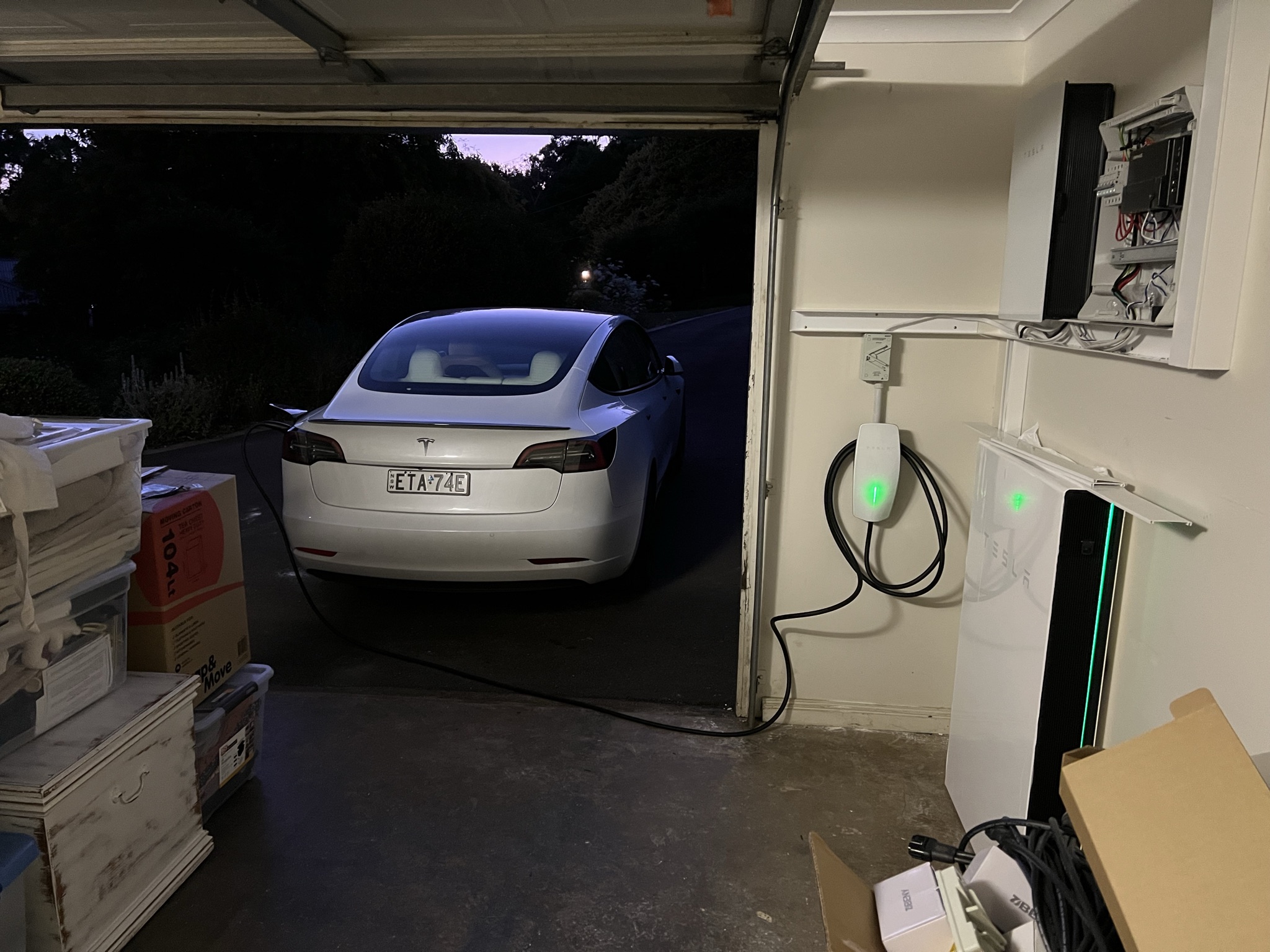
We had this Tesla wall charger at our last house in Saratoga NSW, a year ago. The new owners there didn’t have an EV, so we modified the contract for us to remove the EV charger. It has sat in storage until the removalists delivered our belongings here a few days ago.
It wasn’t really practical for us to bring the Tesla “Powerwall” battery with us from the old house, so we bought a new one for this house. It costs about $15k, which is a lot. There are cheaper battery options, but we know the Powerwall has a large capacity compared to cheaper batteries, and works well with the app, scheduling, blackouts, etc. We have heard from a few people in Emerald and the Yarra Ranges in general that blackouts occur several times a year. This battery will give us backup power without the noise, smell and health risks of a diesel generator. It’s also instant, so everything stays on.
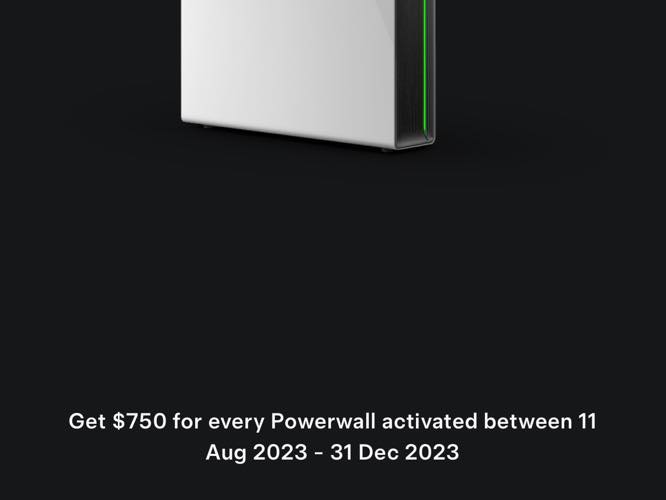
Tesla is offering a rebate offer of $750 for any Powerwall battery installed by December 31. Another reason for us to get this done ASAP.
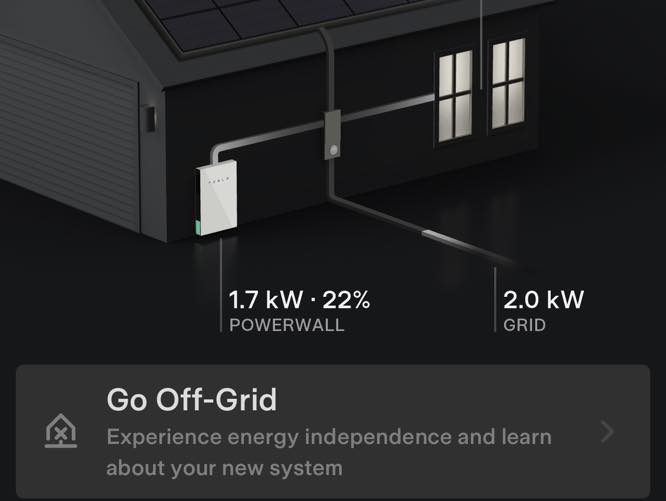
We ensured that this setup will allow us to run off grid, if needed, indefinitely. In the event of an extended blackout, the solar panels will continue to supply power to our house, the Powerwall battery and our EV charging, without a grid connection. Like most homes, we have single phase power, so making that work is fairly simple. In contrast, our home in Saratoga NSW had a three phase grid connection, three phase solar inverter and ducted air conditioning, but everything else, including the battery, was only single phase. During normal grid connection, this all worked fine. But in a blackout, the solar system would shut down, since it had only one phase to which it could send the power. In an extended blackout, this would mean that the battery would provide backup to the house, but would not recharge from solar, slowly depleting until it had nothing left. We never had a long enough blackout for that to happen, but I don’t want to risk it again.
Note that the Tesla Powerwall battery is for the house, not the car. We don’t need a house battery for the EV. In fact, an increasing number of EVs can act as a backup battery for the house. This is often referred to as:
- V2L: vehicle to load, when your car provides a power point into which you can plug your 240V appliances such as a fridge, hot plate, computers, power tools or medical equipment. We would love to have this for road trips when camping away from any power points.
- V2H: vehicle to home, to power your whole home. This is effectively what our house Powerwall battery is doing.
- V2G: vehicle to grid, where the energy in the car can be used to help keep the local grid going, including your neighbours, such as during big storms, blackouts and high demand.
- V2X: any/all of the above.
Unfortunately, Tesla doesn’t yet enable any V2X options above, except on the newly released Cybertruck. It’s the one feature that most tempts us to have an EV from another company such as MG, BYD etc. For now, adding a Tesla Powerwall is our only option for backing up the house. It does have the advantage of backing up our house even when the car isn’t home.
Geeky specs:
The Tesla Powerwall battery provides 13.5kWh of backup energy, when full. That’s about a quarter of the battery capacity of our Tesla Model 3 (about 60kWh). That’s enough to run a house for several days without recharging, or indefinitely with solar panels charging it each day. It provides a maximum power of 5kW, and short burst of up to 7kW. Typical appliances draw under 1kW, but a toaster, kettle, oven, stove, air conditioning might draw over 2kW. An induction stove or ducted air conditioning system might draw 7kW.
Charging:
The Tesla wall charger draws up to 7.6kW. It uses 240V at 32A, so 240V x 32A = 7680W, or 7.6kW. 32A is 3.2 times faster than the usual 10A power point, so it will charge our car with 100km of range in 2 hours, instead of 6 hours. Typically, we can fill our car each day from the excess solar power. So, no burning of coal, petrol or diesel.
From now on, we’ll leave home each day with a full “tank” of “fuel”. We’ll probably never need to fuel up elsewhere within a 400 km round trip from home.
Stay tuned for the solar installation tomorrow.